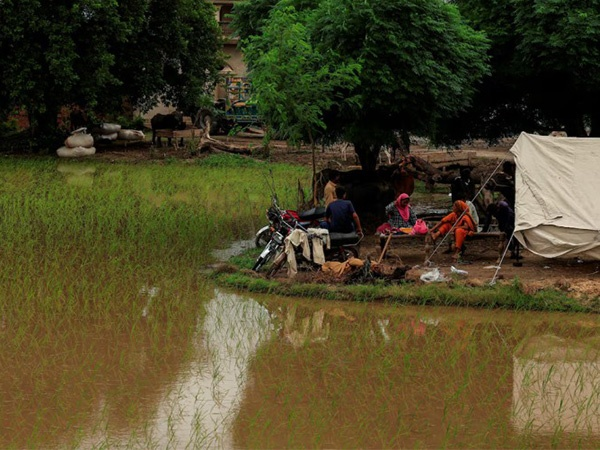
Torrential rains and surging floods have inundated vast areas of farmland and destroyed ready-to-harvest crops across Pakistan, raising concerns of a food crisis and rising inflation, Dawn reported. The UN and local farmers issued warnings on Monday over the scale of the damage.
The devastating floods, which hit northeastern Punjab–Pakistan’s largest province and primary food basket–last week, have submerged hundreds of villages, schools, and health centres. Livestock have been washed away, crops destroyed, and around 50 people have lost their lives, triggering widespread evacuations, Dawn reported.
Official figures indicate that more than 2 million people have been affected, with over 700,000 evacuated so far. Floodwaters are now moving south towards the Indus River, threatening to cause further destruction in Sindh in the coming days.
“This isn’t normal — yet it’s becoming the new normal. Monsoons, driven by climate change, now bring fear and devastation to communities across Pakistan,” Mo Yahya, the UN resident and humanitarian coordinator, said in a post on X after visiting the affected areas. “Flooded rice fields stretch as far as the eye can see. Farmers now face months without crops or income until the next planting season,” he added, posting a video from Hafizabad district.
He warned, “This is only the beginning — more intense rains are expected in the coming weeks. As the water flows further south, it will threaten more families with displacement and destruction. This is not just another natural disaster; this is climate change,” Dawn reported.
Echoing the warning, Waqar Ahmad, Secretary General of the Kisan Board of Pakistan, said the catastrophic floods have destroyed the three main crops–rice, sugarcane, and sesame — across Punjab. “Rice crop has particularly taken a toll as the floods have hit the major rice-producing districts,” Rizvi told Anadolu. He added that 70 per cent of the standing rice crop has been destroyed by the latest floods, Dawn reported.
Waheed Ahmad, head of the Pakistan Fruit and Vegetable Exports Association, further cautioned that the floods are likely to trigger food inflation, as large quantities of crops and vegetables across Punjab and Khyber Pakhtunkhwa have been destroyed. He urged the government to lift the levy on vegetable and fruit imports from Afghanistan and Iran to address potential shortages, as reported by Dawn.