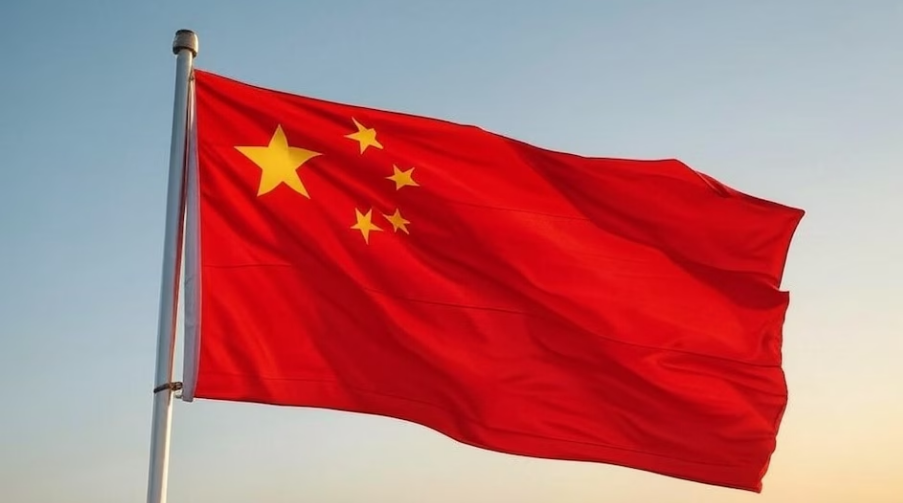
As tensions soared between India and Pakistan, China called for calm and restraint from both sides, while stopping short of backing Pakistan outright.
Chinese Foreign Ministry spokesperson Lin Jian said Beijing is “concerned over current developments” and reminded both countries that they are not only each other’s neighbours but also China’s neighbours.
“We oppose all forms of terrorism,” Lin said, adding, “We urge both sides to act in the larger interest of peace and stability, observe international law, including the UN Charter, remain calm, exercise restraint and refrain from taking actions that may further complicate the situation.”
He further stated that China was ready to work with the international community to play “a constructive role in easing the current tensions.”
Congress MP Shashi Tharoor in an earlier interview explained why Beijing’s stand was “not as pro-Pakistan” as expected.
“What China has said is suggestive that they are not oblivious of the fact that relations with India were warming,” Tharoor told reporters on Thursday.
In a pointed observation, Tharoor noted that in today’s “Trumpian world of high tariffs,” India’s market mattered more to China than before. “China needs India in a way that it never needed them before,” he said. “If there were a real war, they would have supported Pakistan. But to prevent a war, China will take a constructive approach in my view.”
Tharoor also noted that while calls for restraint were expected from the global community, only Russia, France, and Israel had specifically supported India’s right to defend itself. “America, in principle, should have said something… they reacted the most strongly after 9/11,” he added