International attention has focused in recent weeks on the International Court of Justice (ICJ) in The Hague, as the United Nations’ highest judicial body heard South Africa’s case alleging that Israel is violating the 1948 Genocide Convention in Gaza. While a decision on the merits will likely take years, on January 26 the court issued provisional measures that include requiring Israel to prevent genocide against Palestinians in Gaza.
The case is one of several human rights-based claims before the ICJ. One group looking on with great interest is Afghan women, both inside the country and in the diaspora.
The ICJ is mainly responsible for settling disputes between states over matters of international law. Some of its recent cases have concerned human rights. In November 2019, Gambia brought a case under the Genocide Convention against Myanmar regarding alleged genocide against ethnic Rohingya. In June 2023, the Netherlands and Canada filed a case against Syria alleging it is violating the UN Convention Against Torture.
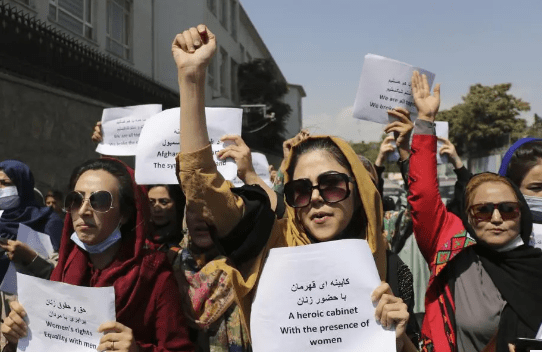
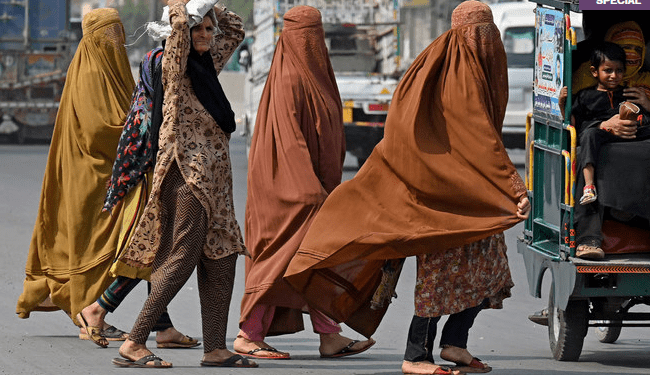
Since taking power in Afghanistan in August 2021, the Taliban have imposed a brutal crackdown on women and girls, violating rights in every aspect of their lives, including their ability to study, work, live free from violence, access health care, participate in public life, move freely, or even just walk in the park. These abuses continue to escalate and are blatant violations of the Convention on the Elimination of All Forms of Discrimination against Women (CEDAW), which Afghanistan ratified in 2003. CEDAW allows states that are parties to the treaty to bring to the ICJ disputes with other states parties “concerning the interpretation or the application” of the convention not settled by negotiation or arbitration.
Many governments around the world have denounced the Taliban’s full-scale attack on the rights of women and girls. While the International Criminal Court is investigating Taliban atrocity crimes, the ICJ offers governments that have expressed their solidarity with Afghan women another practical way to put Taliban abuses under judicial scrutiny – one which, as illustrated in other recent cases, can produce measures that could have a positive impact.
Afghan women and girls deserve their day in court against the Taliban, and the ICJ could play an important role. The support of just one state party to CEDAW could make that happen.