The noted scholar Iqbal S. Hasnain’s book Fault Lines in the Faith: How Events of 1979 Shaped the Islamic World highlights one year and two pervasive fault lines in the “Muslim world”. The year is 1979, which, the book rightly notes, marked “three pivotal turning points” in the political trajectory of Muslim peoples: the “Islamic Revolution” in Iran, the Juhayman shootings in Makkah (when an attack on the Kaaba by a cult of ultra-orthodox Muslims induced the House of Saud to embrace an even narrower version of its enabling religio-political ideology of Wahhabism), and finally, of course, the Soviet invasion of Afghanistan.
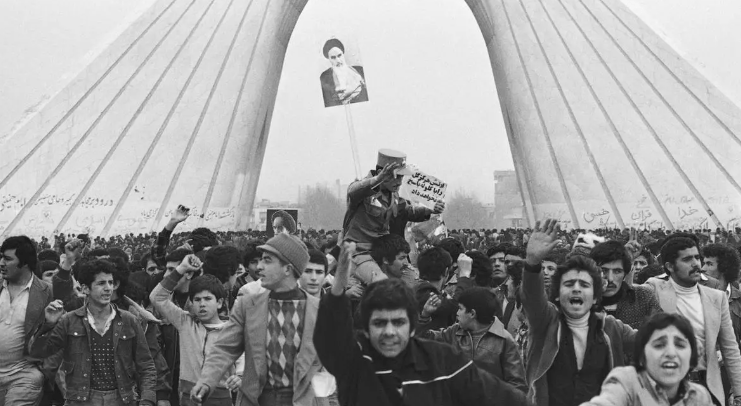
All three events, as the book illustrates, had roots in the past and sent powerful tentacles into the future. The Islamic Revolution, when Ayatollah Khomeini returned to be welcomed by three million Iranians, had to do with the Shah’s inability, under pressure from Iran’s larger middle class and its professional and educational aspirations, to accommodate Western petro-corporations as much as Saudi Arabia could. Shia-Sunni tensions would be exacerbated by this rise of a populist, anti-monarchical regime in Iran, viewed with great suspicion by the Sunni monarchy of Saudi Arabia, the US, and Israel.