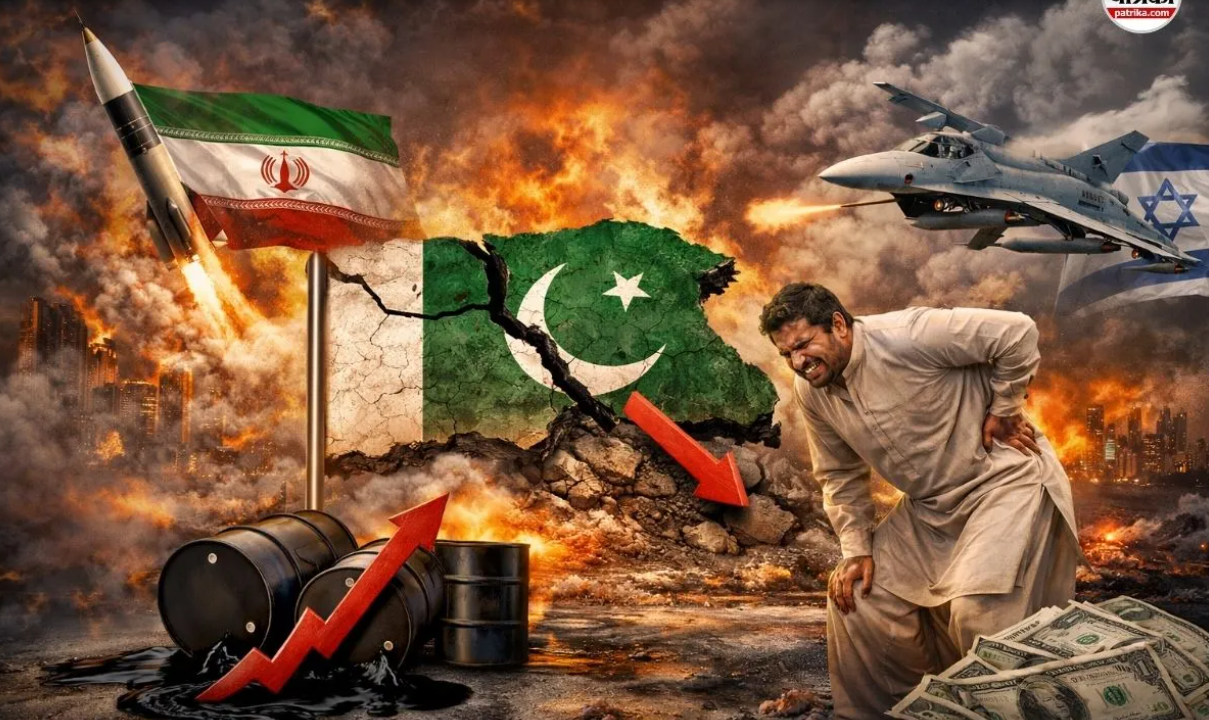

Pakistan’s energy crisis is deepening due to Iran-Israeli tensions, with a surge in oil and jet fuel prices.
The escalating tensions between Iran and Israel are now clearly impacting the global energy market. Pakistan has been the hardest hit, with its economic situation worsening due to a sharp increase in oil prices. Following the government’s salary cuts and expenditure controls, a significant hike in taxes on petroleum products has further burdened the common public and the economy.
Deepening Energy Crisis in Pakistan
Pakistan imports approximately 70% of its total petroleum needs from Middle Eastern countries. However, the current geopolitical tensions have severely affected the supply chain. Specifically, the disruption of vessel movement in the Strait of Hormuz has had a serious impact on oil and gas supplies. Reports indicate that several tankers are stranded en route, exacerbating the fuel crisis in the country.
Limited Storage Becomes a Major Concern
Pakistan’s lack of sufficient strategic oil reserves has worsened the situation. According to government data, the country now has only a few days’ worth of fuel stock remaining:
- Crude Oil: Approximately 7 days
- Diesel: 17 days
- Petrol: 20–22 days
- Jet Fuel: 10 days
- LPG: Only 6 days
If supplies are not restored soon, the country could face an energy emergency-like situation.
Heavy Tax on High-Octane Fuel
To tackle the energy crisis, the Pakistani government has taken stringent measures, increasing the tax on high-octane fuel from 100 rupees to 300 rupees per litre. This tax has been primarily imposed on fuel used in luxury vehicles. The decision was approved in a high-level meeting chaired by Prime Minister Shehbaz Sharif.
Surge in Petrol and Diesel Prices
Following the government’s decision, prices of both petrol and diesel have seen a surge:
- Petrol: Increased from 266.17 rupees to 321.17 rupees per litre
- Diesel: Increased from 280.86 rupees to 335.86 rupees per litre
While the government claims this increase will not directly affect public transport, experts believe it could have a widespread impact on inflation.
Air Travel Also Becomes More Expensive
The increase in jet fuel prices has also impacted the aviation sector. Fares for domestic flights have risen by 2,800 to 5,000 rupees, while for international flights, this increase ranges from 10,000 to 28,000 rupees. Fares have seen a particularly sharp rise on routes to the Middle East and Central Asia.