The Taliban said the envoy’s appointment is ‘unnecessary’ as the country is not a conflict zone and ruled by a government able to secure national interests.
Afghanistan’s Taliban authorities on Saturday criticised the UN Security Council’s plan for a special envoy to promote gender and human rights in the country as “unnecessary”.
The Taliban government is not officially recognised by any country or world body, and the United Nations refers to the administration as the “Taliban de facto authorities”.
Many are torn over engaging with Kabul’s rulers in a bid to roll back their controls on women and girls, or freezing them out until they make concessions such as reopening educational opportunities for females.
On Friday, the United Nations Security Council (UNSC) adopted a resolution calling for the appointment of a special envoy for Afghanistan to increase engagement with the country and its Taliban leaders.
But foreign ministry spokesman Abdul Qahar Balkhi said a new envoy “is unnecessary as Afghanistan is not a conflict zone and is ruled by a central government that is able to secure its national interests”.
In a post on social media site X, he said the Taliban government welcomes “more robust and enhanced engagement” with the UN, but special envoys “have complicated situations further via imposition of external solutions”.
“The approach of the government of Afghanistan will ultimately be guided by the unaltered religious beliefs, cultural values and national interests of the people of Afghanistan,” he said on X, formerly known as Twitter.
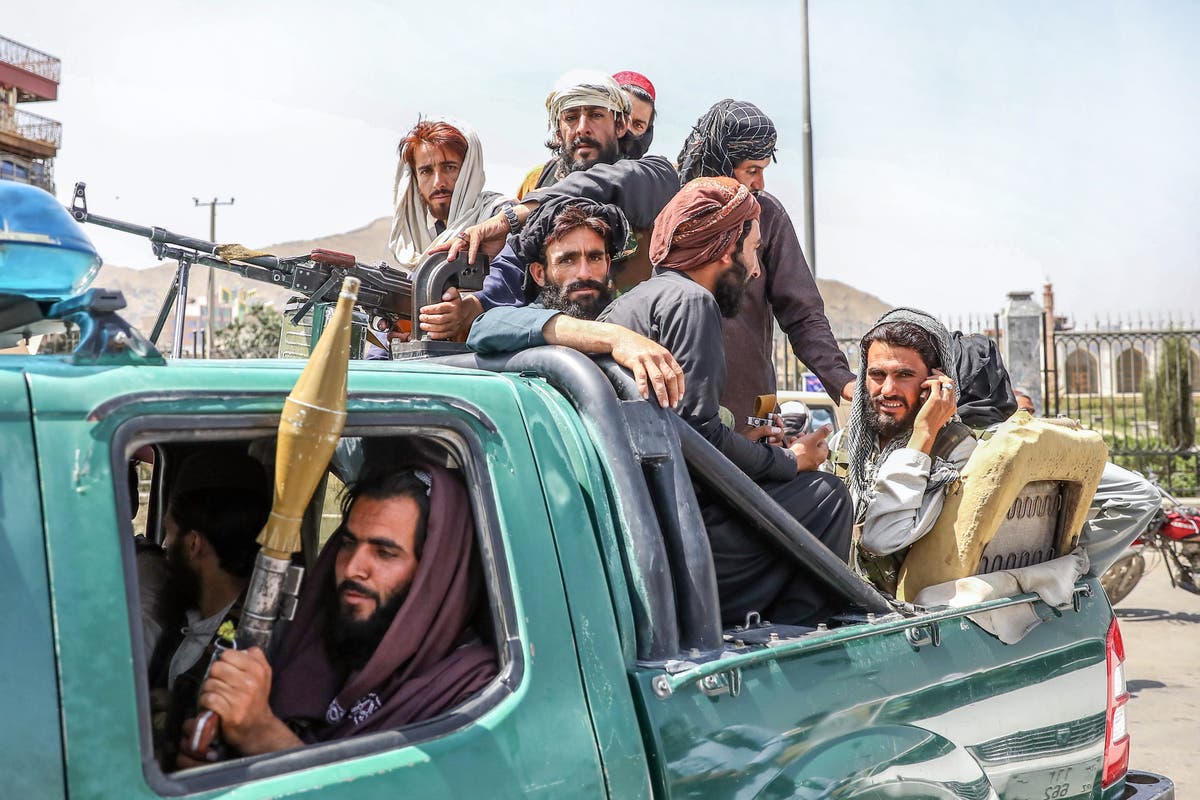
Since the Taliban surged back to power in August 2021, Kabul’s new rulers have insisted on their right to impose harsh social controls in accordance with their austere interpretation of Islam.
They have rejected appeals to obey international law as undue meddling in their domestic affairs.
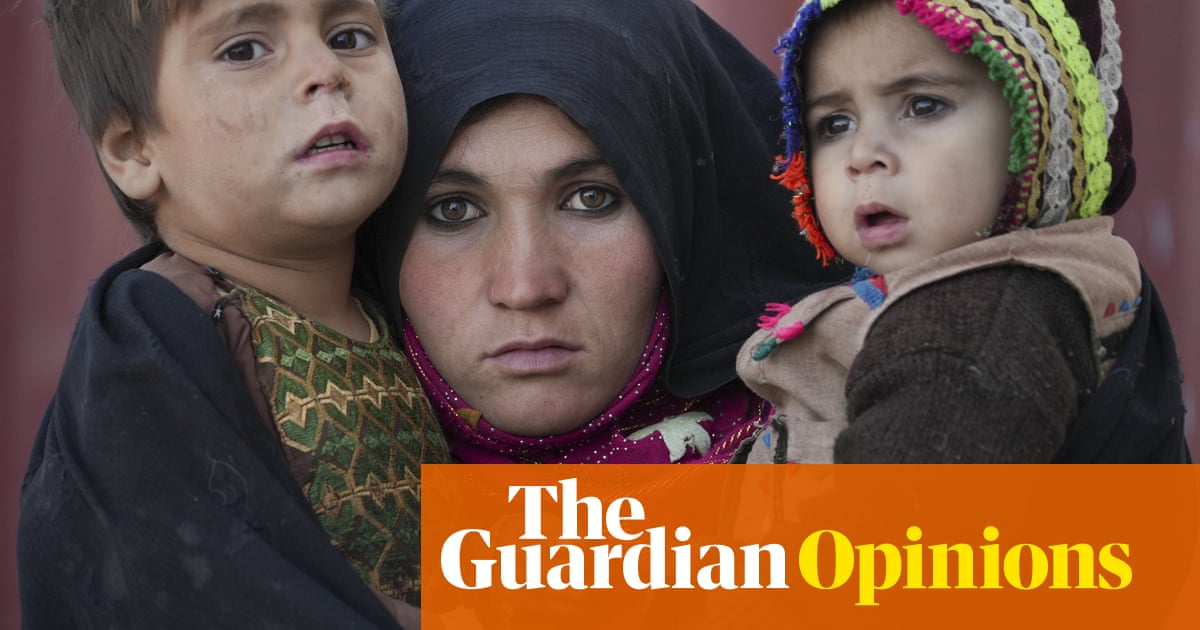
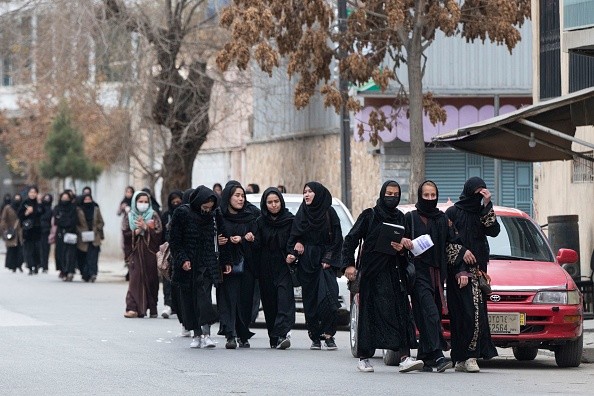
Teenage girls have been banned from attending most secondary schools and women from universities, prompting global outrage and protests in some Afghan cities.
Late in 2022, women were prohibited from entering parks, funfairs, gyms and public baths.
The UN resolution followed an independent assessment report issued in November calling for greater engagement with Afghanistan.
It was adopted after 13 members of the Security Council voted in favour, while Russia and China abstained.