The World Bank has issued a stern warning that Pakistan’s present economic model can no longer be successful in alleviating…
The World Bank has issued a stern warning that Pakistan’s present economic model can no longer be successful in alleviating poverty as the nation struggles with a protracted economic crisis. Pakistan needs immediate economic reforms, the World Bank claims in a report recently released under the title “Time to Decide.”
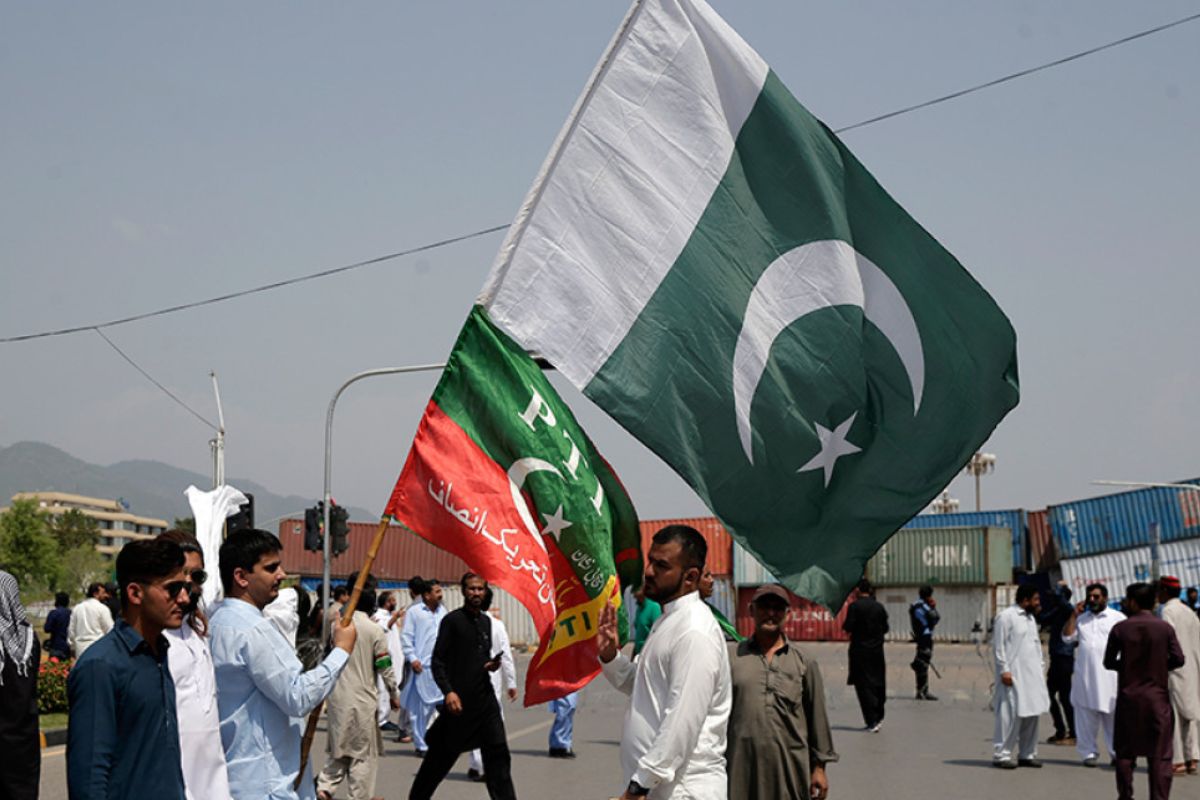
This piece of advice is given in the midst of worrying trends including shooting inflation, shrinking foreign exchange reserves, and a nation where 40% of people live in poverty. On August 14, 1947, the nation gained independence from British rule, marking a period of 75 years.
The Pakistan Country Director for the World Bank, Najy Banhassine, noted that a group of powerful entrenched interests greatly influences the country’s policy choices. Elites in the military, business, and politics are among them. Banhassine asserts that unless Pakistan alters its direction, it runs the prospect of staying a laggard forever, constrained by elite capture and policy judgements that benefit a select few.
Banhassine was described by as saying, “It is also facing a’silent’ human capital crisis: abnormally high child stunting rates, low learning outcomes, and high child mortality.”
The Pakistani Rupee hit a record low versus the dollar in the interbank market, falling to 299.64, as economic misery increased. This, according to analysts, is a result of loosening import regulations that have raised interest in the US dollar. These requirements were included in a loan package worth $3 billion from the International Monetary Fund (IMF).
According to the World Bank, Pakistan’s real per capita growth rate between 2000 and 2020 was only 1.7%. This is less than half of what South Asian nations experienced on average during the same time period.
The country’s human development crisis, in particular the high rates of child stunting and subpar learning outcomes, is equally alarming.
The paper emphasises how past achievements in reducing poverty up until 2018 have been undone. It exhorts Pakistan to revamp its social protection and service delivery systems, paying special attention to the most vulnerable people, such as children and women.
It also urges a change from inflexible and ineffective public spending to investments that promote public services and climate adaption.