A GCC committee said the unspecified content ‘violates Islamic and societal values and principles’.
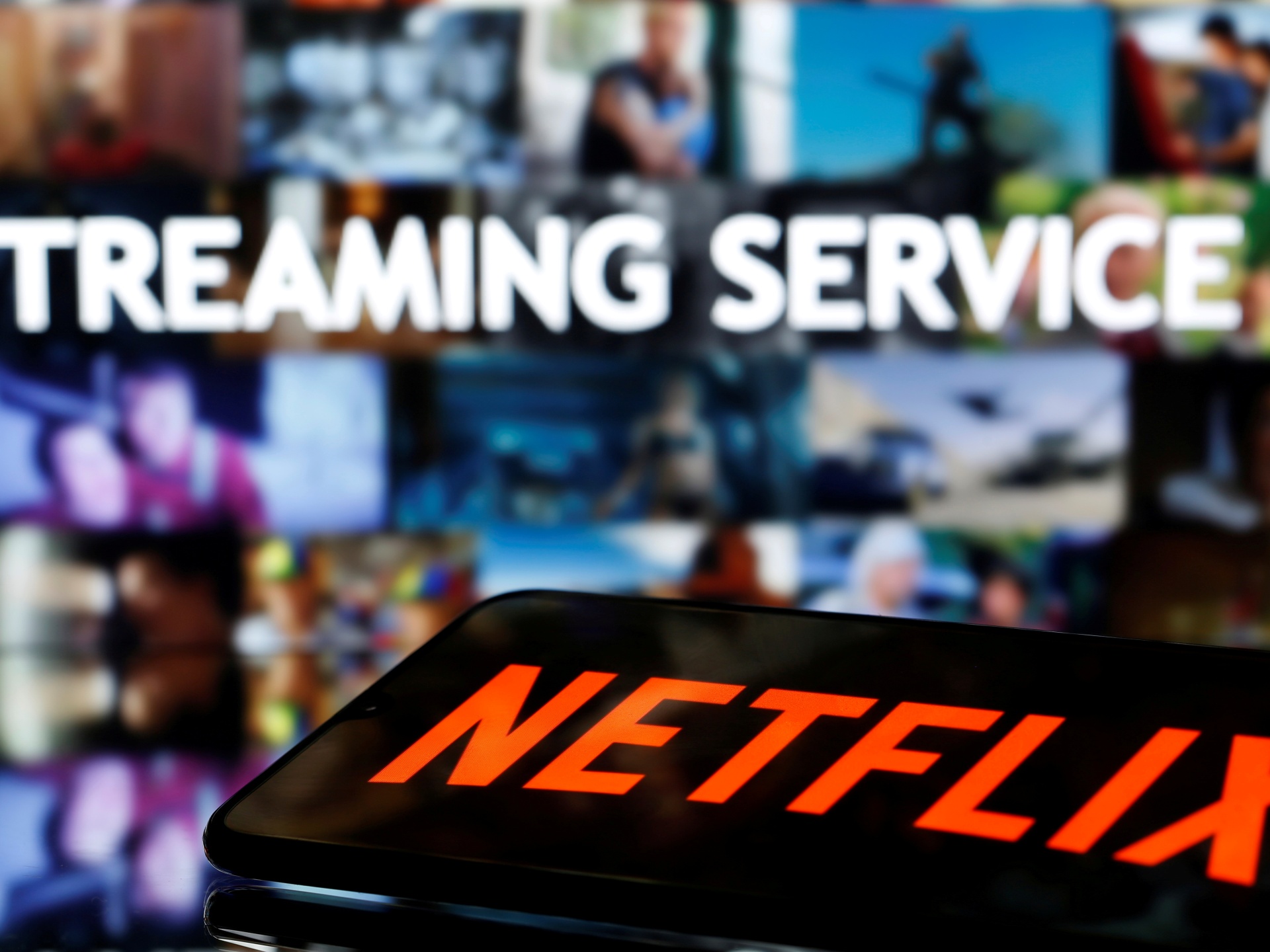
Gulf Arab countries have demanded that the streaming service Netflix remove “offensive content”, citing unspecified material that “violates Islamic and societal values and principals”.
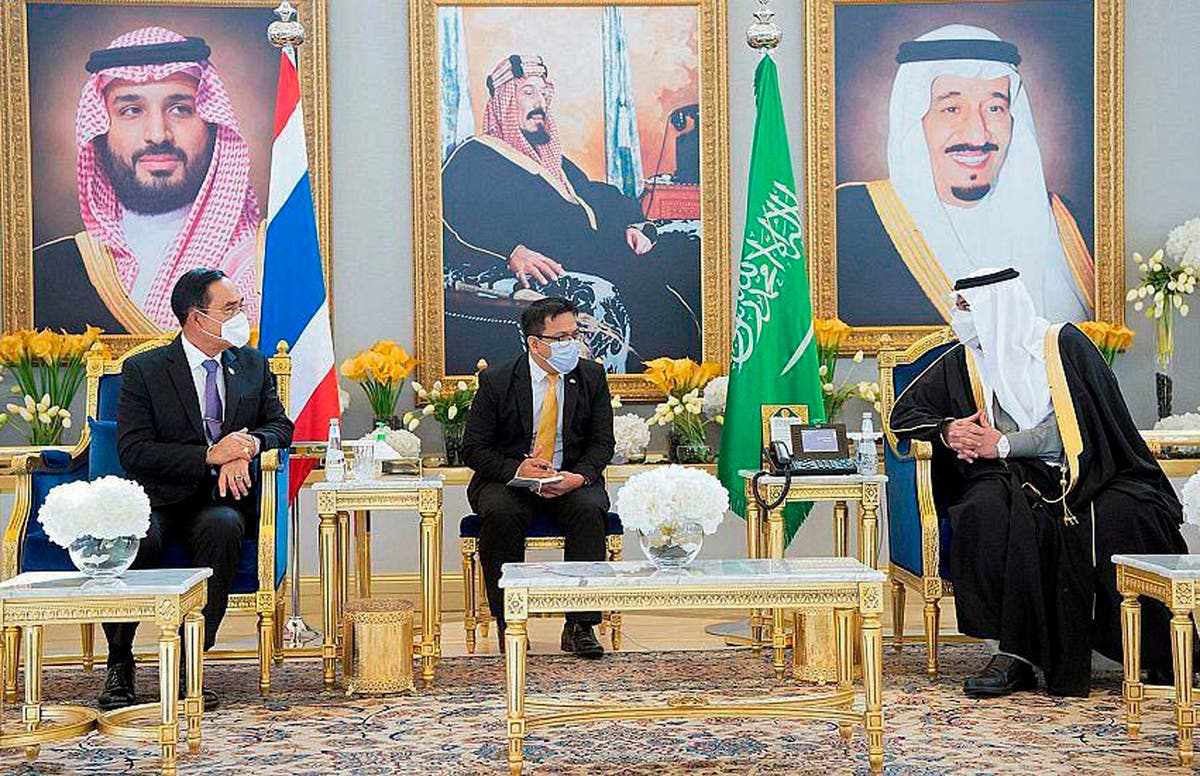
A special committee of the Gulf Cooperation Council (GCC), a regional organisation that includes Saudi Arabia, the United Arab Emirates, Qatar, Kuwait, Bahrain, and Oman, made the request in a statement on Tuesday.
“[Netflix] was contacted to remove this content, including content directed at children, and to ensure adherence to the laws,” the joint statement from the GCC committee and the Saudi General Commission for Audiovisual Media noted.
The move appears to be in response to Netflix airing content that includes LGBTQ characters, as well as other material deemed “immoral”.
Saudi state television aired a report on Tuesday that included an interview with a woman identified as a “behavioural consultant” who described Netflix as being an “official sponsor of homosexuality”.
It also aired footage of an animated show that streams on Netflix, Jurassic Park: Camp Cretaceous, which showed two female characters kissing, though the footage was blurred out.
A separate segment on Saudi state television also suggested that Netflix could be banned in the kingdom over programming deemed to negatively influence children.
The California-based Netflix has yet to make a comment on the statement from the GCC committee.
Previous bans
The Gulf statement comes after a number of Muslim-majority countries banned the public showing of Disney’s animated film Lightyear in June over a brief moment showing two women kissing.
In the aftermath, the company’s Disney+ streaming service said its “content available should align with local regulatory requirements” in Gulf Arab countries.
At least 14 countries had banned the movie over the scene.
Lightyear is part of the Toy Story movie franchise that has made billions in revenue worldwide since the first instalment was released in 1995.
The Marvel movie Doctor Strange and the Multiverse of Madness was also banned in April by Saudi Arabia and Egypt for LGBTQ references.
Benedict Cumberbatch, who plays the title character, called the controversy “mind-boggling” and said that he hoped “somehow fans of the film in Saudi Arabia of every sexuality are able to see it at some point somehow”.
In September, the Saudi government urged YouTube to delete “inappropriate ads” that went against the laws and regulations of the country.
The move also comes as regional streaming services try to eat into Netflix’s revenue, including the Shahid service, operated by the Saudi-owned MBC Group.
The Saudi government holds a controlling stake in MBC Group after a series of asset seizures during an anti-corruption investigation in 2018.