Following the Taliban takeover, Afghanistan’s economy appears to be unravelling
as evidenced by reports of unpaid doctors, government workers, large scale internal
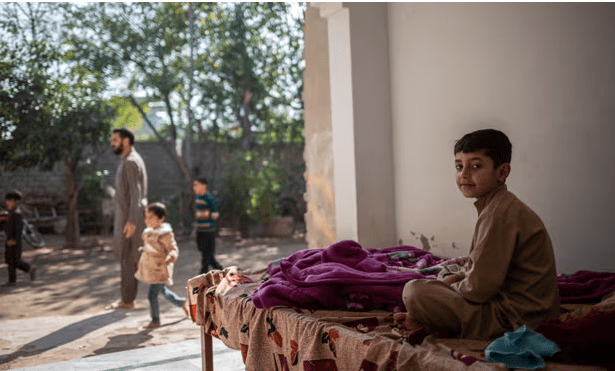
displacement with families forced to sell their household goods for subsistence.So far, Taliban officials have not revealed any concrete plans to tackle the looming
economic crisis. The country was already suffering from severe drought and now foreign
donors / governments have suspended aid and international financial systems have
closed access to cash and credit. Afghanistan is also unable to pay the dues for its
electricity supply from Central Asian electricity suppliers as the bill collection remains
dysfunctional. With government ministries not paying salaries and banking system
paralyzed, many Afghans do not have the means to pay their power bills. Electricity
imports from Uzbekistan, Tajikistan and Turkmenistan account for half of Afghanistan’s
power consumption nationwide. Domestic production, mostly at hydro power stations,
has suffered a setback by this year’s drought. In case Afghanistan is unable to clear its
dues, there is a risk of discontinuation of the power supply.
Meanwhile, faced with a near collapse of its banking system, the Taliban
government in Afghanistan has requested Pak to pay about USD 1.46 million to United
Nations Conference on Trade and Development (UNCTAD) on its behalf as first
disbursement of year for the Automated System for Customs Data (ASYCUDA). While
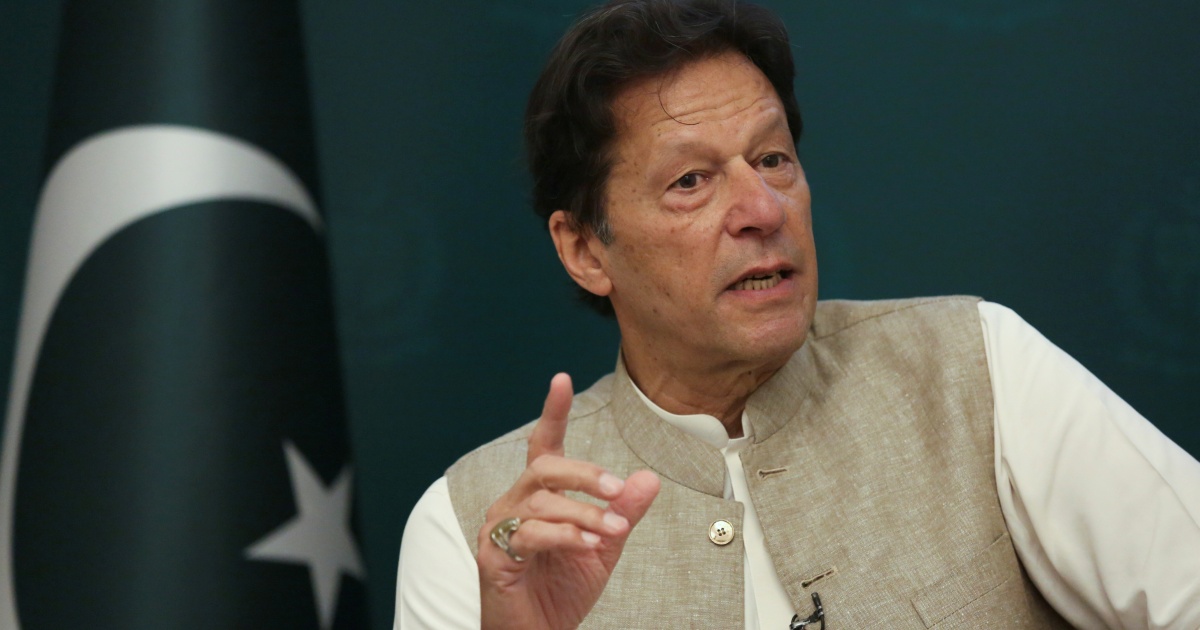
seeking approval of Pak PM for the payment to UNCTAD, Pak Foreign Secretary Sohail
Mahmood said that the payment, besides allowing the ‘nascent Afghan government’ to
ensure smooth operations of Afghan Customs revenue management system, would also
demonstrate Pak government’s support to peace and economic stability in Afghanistan.
However, despite Pak affirmations of help to Afghanistan, the Pak-Afghan border
at Chaman district remains closed, adversely affecting trade between the two countries.
Trucks carrying cargo, including perishables remain lined up on both sides of the border
and movement of public was stalled. As per Pak media reports, Afghan Taliban
maintained that Pak border officials behaved rudely with Afghan nationals. Afghan
students also held (October 10) a protest in front of the Pak Embassy in Kabul against
the closing down of the Torkham and Spin Boldak gates at the border. They complained
that if the gate remains closed they would miss the current semesters in their respective
Pak universities.
It remains to be seen how far Islamabad, grappling with its own deteriorating
economy, will come to the aid of the beleaguered Taliban government.